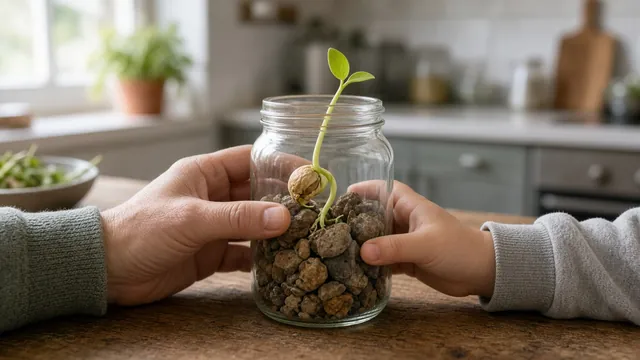
Curiosity and Kindness: Raising Kids Who Wonder and Care
Even toddlers want to help, and curious children notice more about the world, and the people, around them.
By The Spark Six team
The Spark Six are six very different heroes. Zeena tests everything. Anya notices tiny details. Kiana invents. Liala cares for every creature. Kayla explores. Mo fixes. What ties them together is that they are curious and kind at the same time. That is not an accident. The two traits grow well together.
Young children want to help
In a well-known study published in Science, Felix Warneken and Michael Tomasello showed that children as young as 18 months will readily help an adult reach a goal, such as picking up a dropped object they can't reach [1]. The researchers note this requires understanding what someone else is trying to do, and wanting to help [1].
That is a lovely thing to know as a parent. Toddlers often arrive ready to help. Our job is to notice it and give them chances.
Curiosity helps children learn
Celeste Kidd and Benjamin Hayden describe curiosity as a basic part of how we think, and as a motivator for learning [2]. A curious child notices more: a wobbly bridge, a bug on a branch, a friend who looks sad.
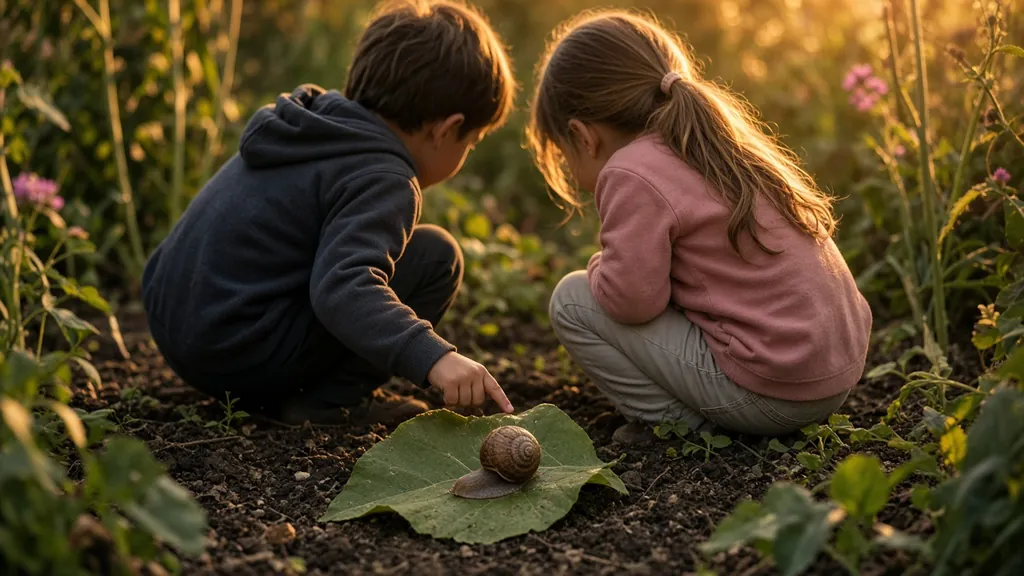
When curiosity points toward other living things, it can become care. Wondering “How does that animal stay safe?” leads naturally to “How can I help keep it safe?”
Play builds the skills for both
The American Academy of Pediatrics' report on play describes play with parents and peers as a way children build social-emotional and thinking skills, including the skills that support getting along with others [3]. Pretend play, building together and taking turns are all practice for kindness.
Everyday ways to grow curiosity and kindness
Try weaving these into ordinary days:
- Wonder about feelings, not just facts. “How do you think the frog felt when the bridge was broken?”
- Give real helping jobs. Carrying a light bag, setting out spoons or watering a plant all count.
- Name kind acts when you see them. “You waited for your friend. That was kind.”
- Look, don't touch, in nature. Watching animals quietly is both curious and caring. In our stories, the heroes never touch wild animals.
- Fix things together. Mend a toy, tape a torn page or rebuild a block tower. Fixing is helping.
- Share the credit. When something works, ask, “Who helped make this happen?”
Stories that model both
Stories are a gentle way to talk about values without lecturing. In Why Are Triangles So Strong?, the Spark Six rebuild a bridge so the garden animals can cross safely, and everyone has a job. In Can You Spot the Hidden Animals?, Liala reminds her friends to leave hiding animals where they are. In What Trees Give, the heroes make a list of everything trees do for others.
After reading, try asking:
- Who was kind in this story?
- What did they notice that helped them be kind?
- What could we do this week to help someone?
Kindness is curious too
Kindness often starts with a question: “Are you okay?” “Can I help?” “What do you need?” When we raise children who love asking questions, we also raise children who ask the questions that matter to other people.
That is the heart of the Spark Six: big science and little heroes who care. Meet them all on the home page.
This week, try
- Give your child one small, real helping job every day this week.
- Name one kind act you notice each day, warmly and specifically.
- After a story, ask, “How do you think they felt?” and listen to the answer.
Common questions
How can I encourage kindness without lecturing?
Model it, notice it and give chances to practice. Children learn a lot by watching how adults treat others. When you see your child do something kind, name it warmly and specifically.
What if my toddler doesn't want to share?
Sharing is hard for young children, and that's normal. Helping often comes more naturally. Research shows that even 18-month-olds readily help adults reach their goals [1]. You can build on that with small helping jobs, and practice taking turns in play.
How do stories help with kindness?
Stories let children see situations from someone else's point of view. Asking “How do you think they felt?” after a story is a simple way to practice understanding others.